Fremington Quay Heritage Centre
Wide water, big skies and the working history of a Devon quay. Run by local volunteers, on the Tarka Trail.
Pottery, maritime and railway heritage on the Taw estuary, in one of the quietest and most beautiful spots in North Devon. A community heritage centre, cared for by local volunteers and told in the voices of the people who remember the working Quay.

run by community
The Heritage Centre is run entirely by volunteers. Fremington Quay Environment Group (Heritage Centre) is a committee of local people who look after the centre, its collection and its future. Their care shows everywhere: pottery donated to the cabinet, photographs contributed to the displays, and the local relationships that keep bringing memories through the door. The group has recently grown, with new members welcomed during 2026.
A special place on the Tarka Trail
Fremington Quay sits on the south bank of the Taw estuary, on the Tarka Trail between Barnstaple and Instow. The Quay opened in 1848, and during the early to mid twentieth century it was the busiest port by tonnage between Bristol and Land’s End. Coal came in, ball clay went out, and cranes, sidings and ships worked the water’s edge. It has been a Conservation Area since 1996.
Today the old station buildings hold the cafe and the Heritage Centre. Wide water, big skies, birds on the mud at low tide, and the Trail running straight through. Come for the walk and the coffee, and stay for what is inside.
Inside the centre - three themes

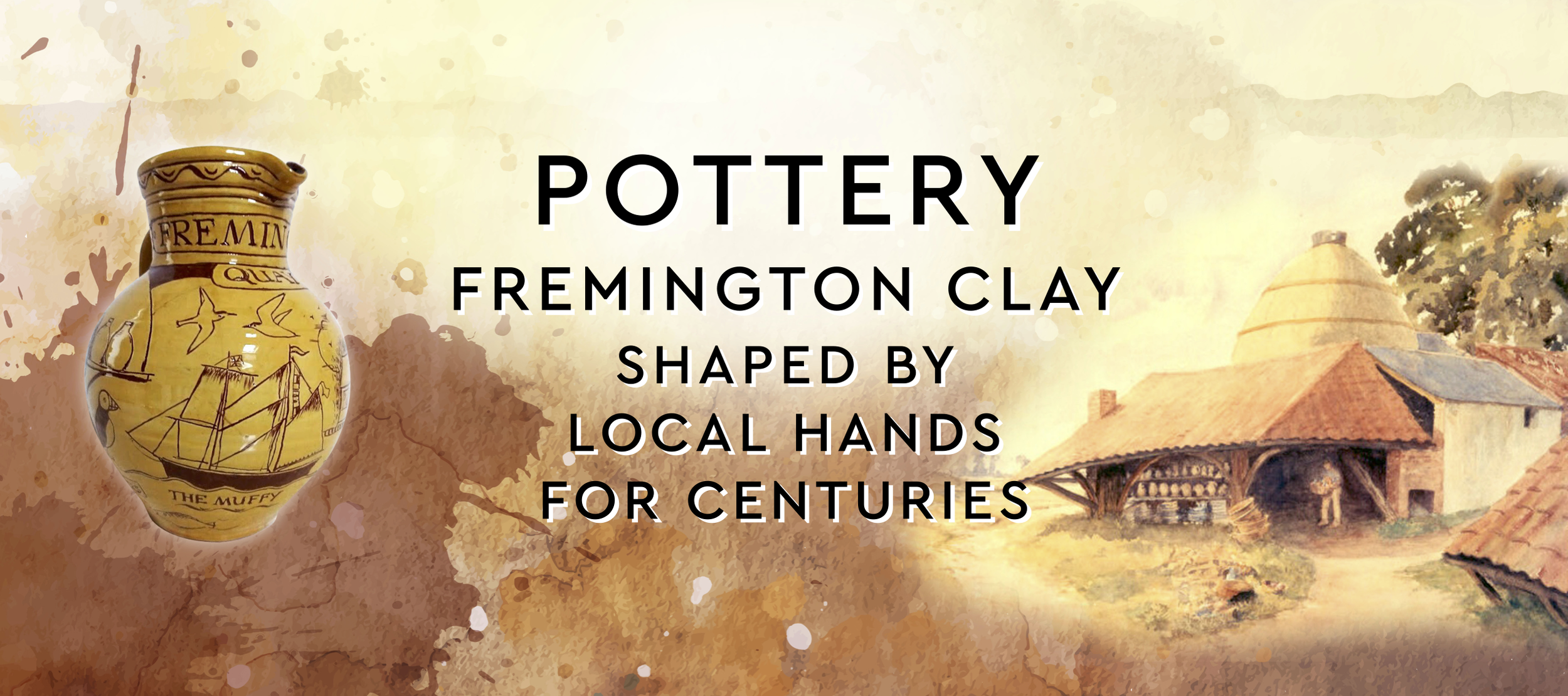
These panel designs were produced for us by an external design company. The historical photographs and archive imagery are authentic. Some of the background textures in the designs were AI-generated by the designers. We do not use AI to create our own media. Our audio, photography and film are recorded and edited by people. You can read our AI and Technology Use Policy here.
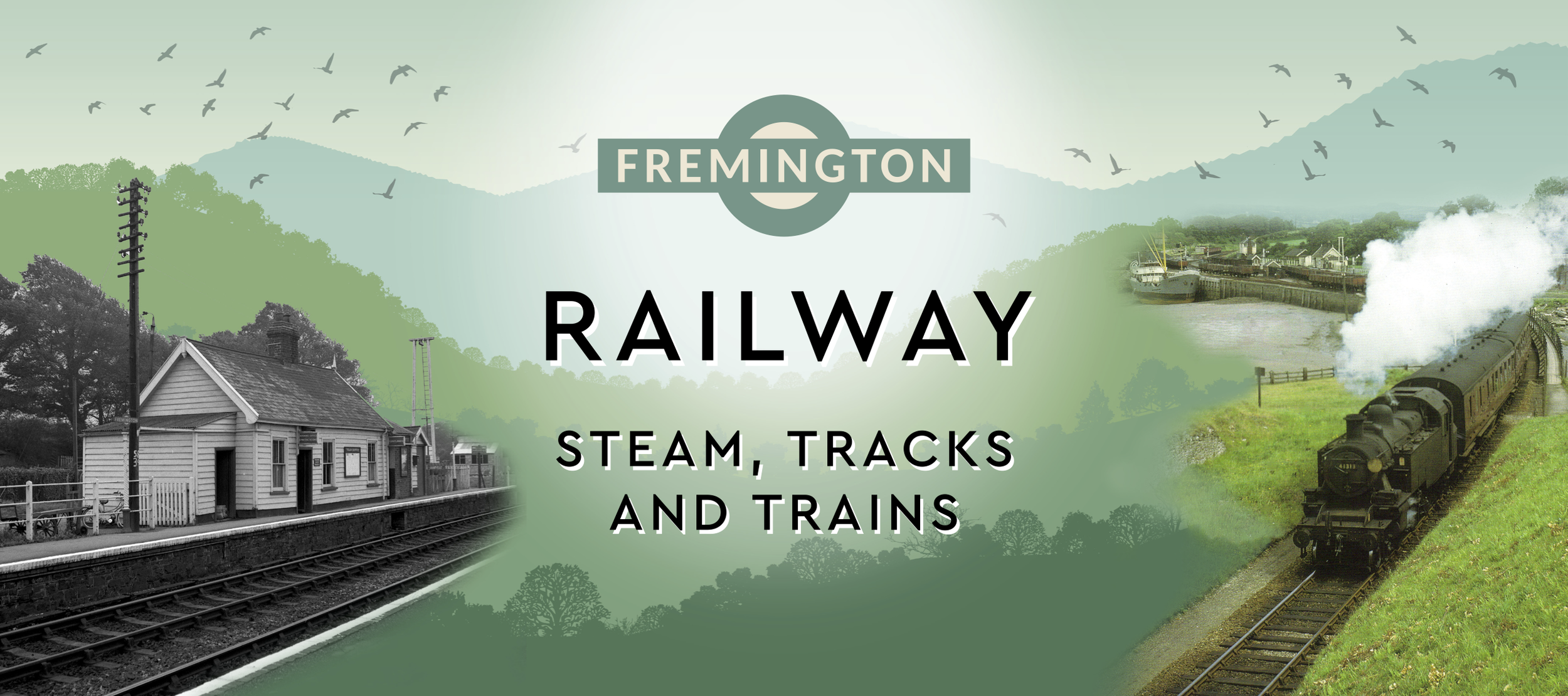
Railway. The station story, rail freight at the Quay and the line that became the Tarka Trail.
Maritime. Coastal trade, shipping and the working waterfront on the Taw.
Pottery. Fremington clay, shaped by local hands for centuries.
Step inside and the centre's story is told across three themes, each with its own touchscreen, its own signage and its own colour, designed to be welcoming and neurodiverse-friendly.
Three themes, with two more on the way. Wildlife and Geographic are being worked on for a later stage, moving the story upstairs to the estuary and the Trail. Watch this space.
Railway - Steam, tracks and trains
It started with horses. In 1848 a horse-drawn service ran coal from Fremington wharf up to Barnstaple. The North Devon Line replaced it in 1854, reached Bideford in 1855, then Torrington in 1872, Westward Ho! in 1901 and Appledore in 1908. The signal box closed in 1968. The last trains ran in 1982.
The screen has the line as it was: the station and platform, the signal box and the cranes, the view from the box, the bridge over Fremington Pill with a steam locomotive crossing it, and the sidings where cargo came off a ship and went straight onto a train.
You are standing in those buildings while you look at it, and the track bed is the Tarka Trail you arrived on.
With thanks to Bideford Heritage Railway.
Maritime - Ships, boats and life on the water
The screen holds the ships one by one, with their tonnages, their cargoes and where they were bound. Five hundred tonnes of ball clay for La Spezia. Seven hundred tonnes of house coal from Goole. A Swedish vessel that lost her steering on the way out and grounded on Allen’s Rock in the Taw.
Coal was the biggest thing that came in, eighty eight thousand tonnes of it during the war, distributed across North Devon to power industry and heat homes. Ball clay was the biggest thing that went out, dug by hand at Peters Marland and cut into cubes. The corners wore round on the journey, and that is where the name came from.
Alongside the ships sit the cranes, the lime kilns, the granite works and the abattoir, all part of the same working quayside.
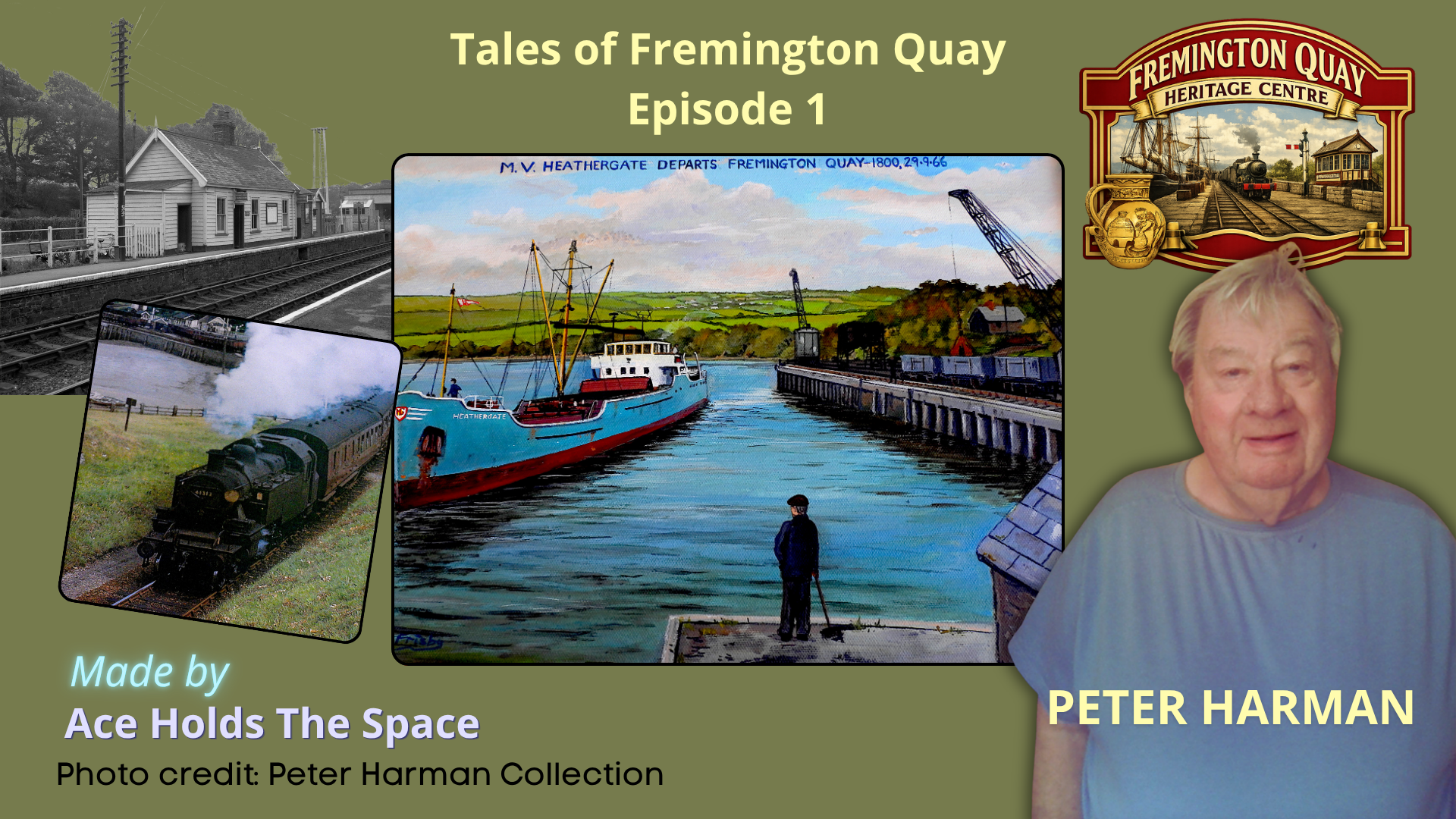
With thanks to Peter Harman for photographs, narratives and materials.
Pottery - Fremington clay, shaped by local hands for centuries
Dug from the ground here, worked, fired, and turned into a slipware tradition North Devon is still known for. Asked in 1773 what the soil was made of, the vicar of Fremington gave the short answer: clay, I tell you.
The screen takes you through it. The pits at Combrew and the barges that carried the clay to the potteries. The plain earthenware that filled ordinary kitchens, and the honey-coloured sgraffito wares, scratched through the slip to reveal the red clay beneath. The baluster jars that crossed the Atlantic packed with fish and butter. And the Fishley family of Fremington, at the heart of the story, whose slipware ran on into the twentieth century.
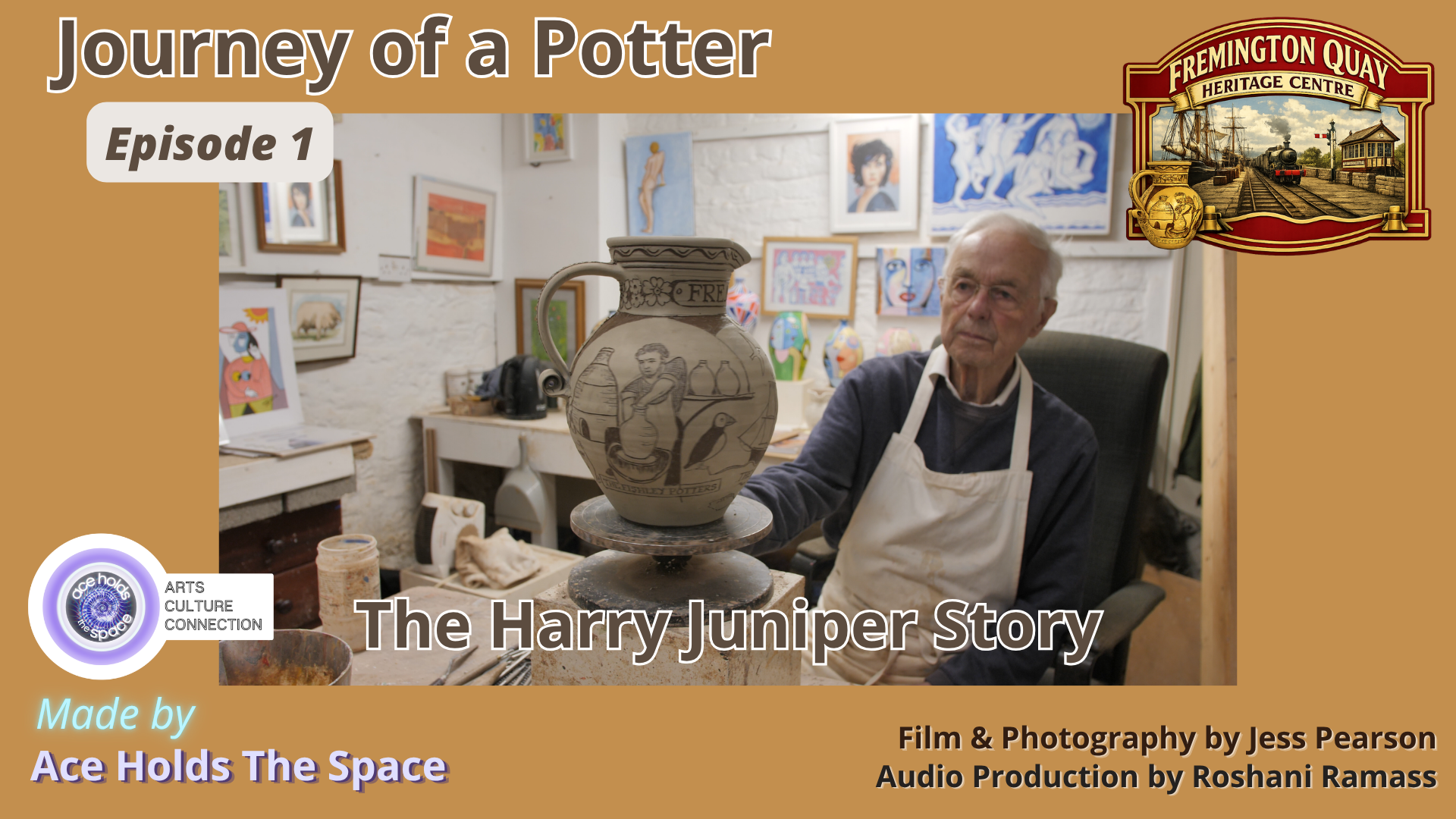
Harry Juniper carries that tradition now. His commemorative Fremington Quay jug will be in the cabinet before long, a few steps from the screen that tells you how it came to be made.
With thanks to Sadie Green, Cathy Chick and Margaret Squance.
Wildlife and Geographic are being developed, raising awareness of ecology and the importance of a sustainable natural environment our generations and all life can enjoy in the future.
Voices of the Quay
Alongside the screens stands an audio station with handsets and a hearing loop, where you can sit and listen.
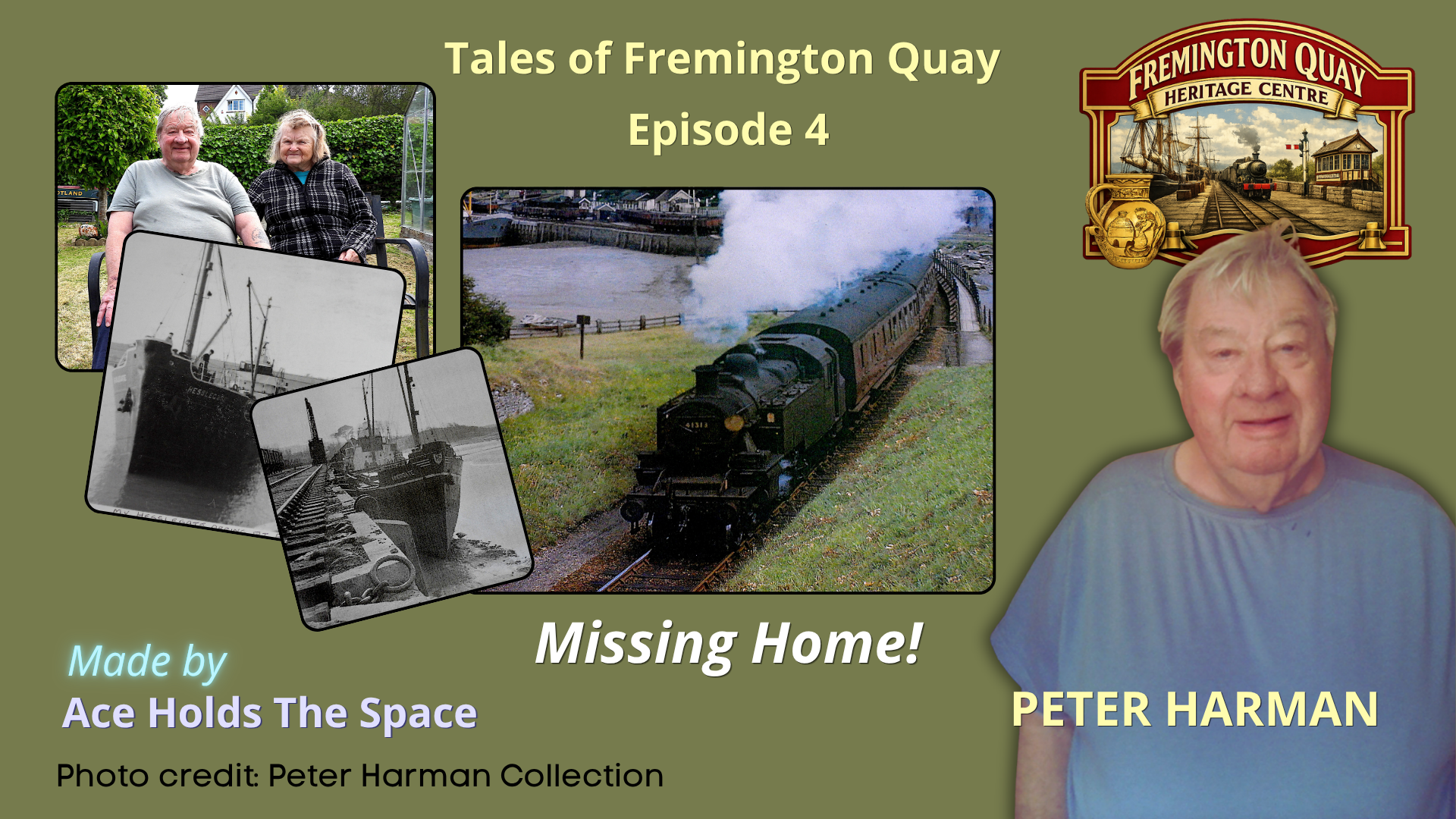
Pete Harman grew up here. Brought to Fremington at a year old, he was kept away from the Quay by a mother who feared the river and the railway. Sent to bed early for being naughty, he would lie at the bedroom window watching ships going down the water and wondering where they were bound. When he finally got down there he found trains shunting, steam everywhere, cranes working and ships unloading. It was all steam, he says. Even the cranes.
He was twelve when a grocery delivery took him aboard a little Dutch coaster bound for Amsterdam, and that settled it. He bought himself a Kodak and photographed every ship that came in. Later he went to sea and crewed two of the very ships that traded here, carrying a photograph of the Quay around the world with him. Sailors would ask where on earth it was. He told them it was home.
Harry Juniper started with clay from his father’s fields in 1946, rolling marbles and baking them in the kitchen fire. An art teacher spotted one, and the whole life followed from there: a kiln built from bakery bricks, a wheel made by his father, a jug sold at fourteen for more than half a week of his father’s wages, and a lifetime of harvest jugs. He talks about the Fishleys, about being taught at Braunton by an oven maker in his eighties, and about the Fremington clay itself, rich and dark brown, firing to a terracotta red.
More recordings are being added as they come in.
The Estuary all around
Every screen opens into the nature of the estuary, because the two stories belong together. Shipping shaped the channel and the shoreline for a century. As the trade fell away, the wildlife came back.
You will find curlew, oystercatcher, little egret, redshank, shelduck, teal, kingfisher and grey heron, and along the Trail bluebell, meadowsweet, viper’s bugloss, red valerian and primrose, with notes on each. Behind that sits the deeper story of the ground itself, the Ice Age clays and the folded rock at Fremington Cliffs, which carries an SSSI designation.
Local photographers, including our Ace Holds The Space, Paul Curtis and Victoria Carr, are building a library of wildlife and landscape images of the estuary and the Trail, which now appears across the centre's screens. If you have photographs of the Quay, the estuary or local wildlife you would like to contribute, we would love to hear from you.
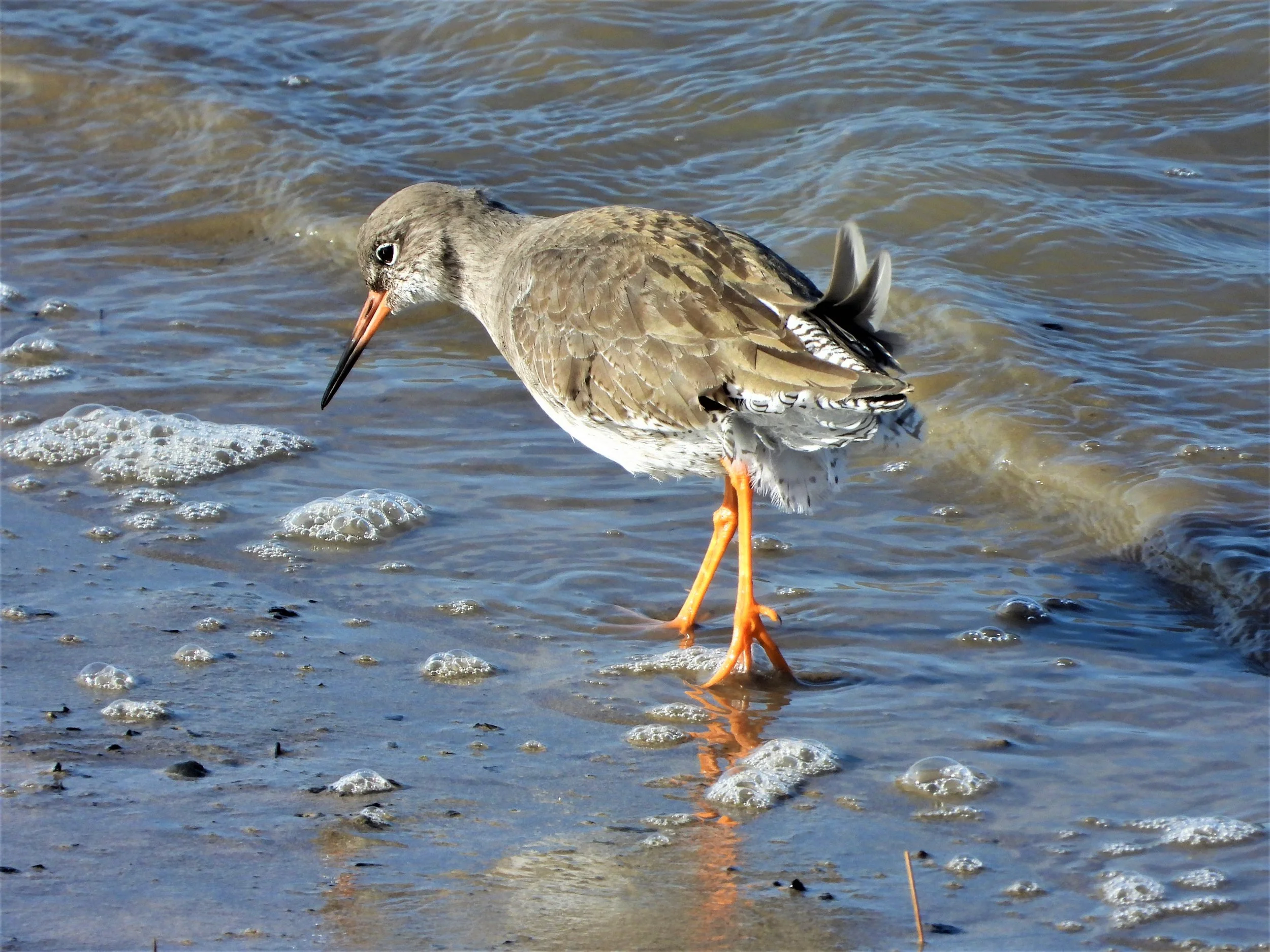
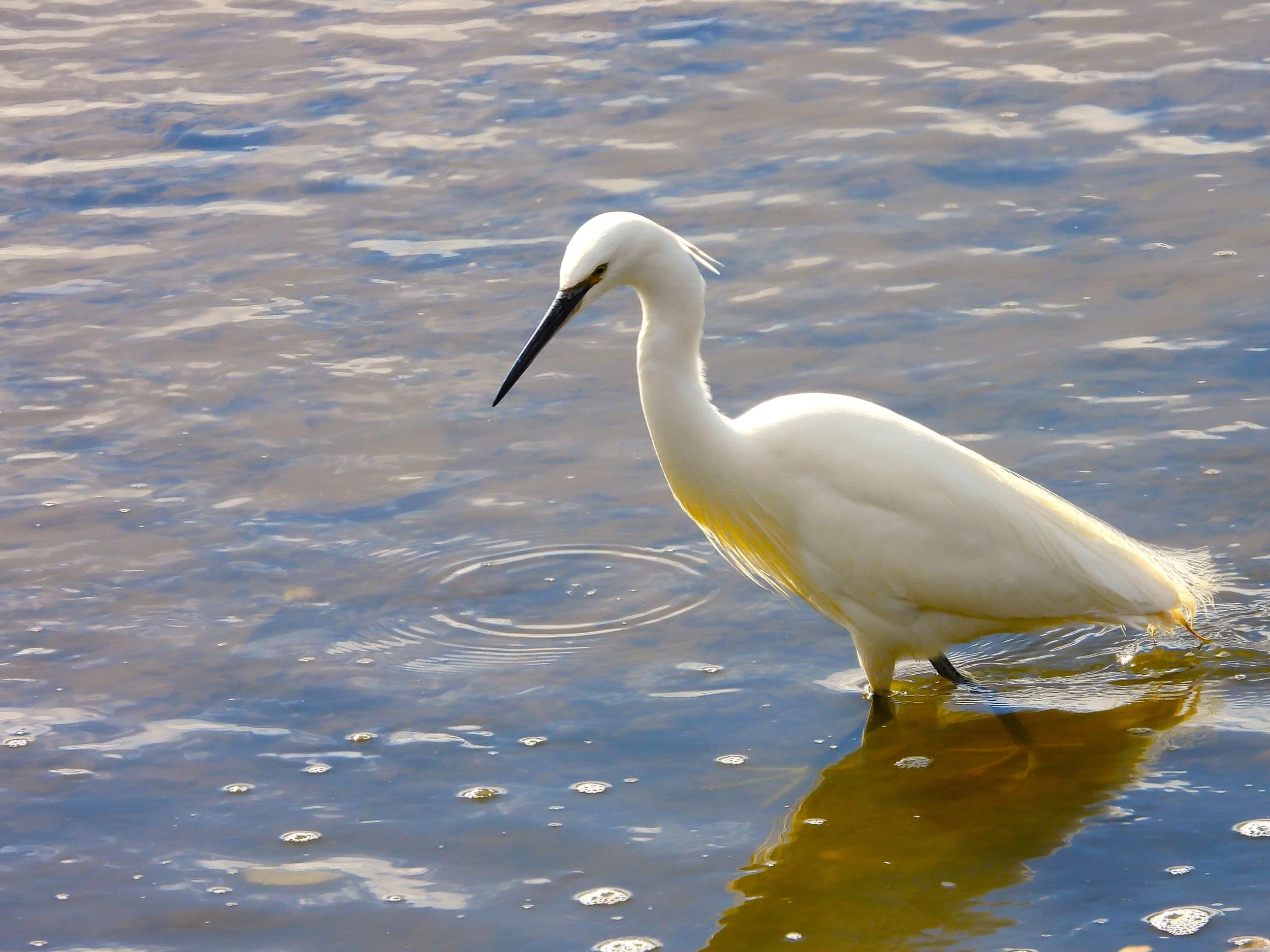

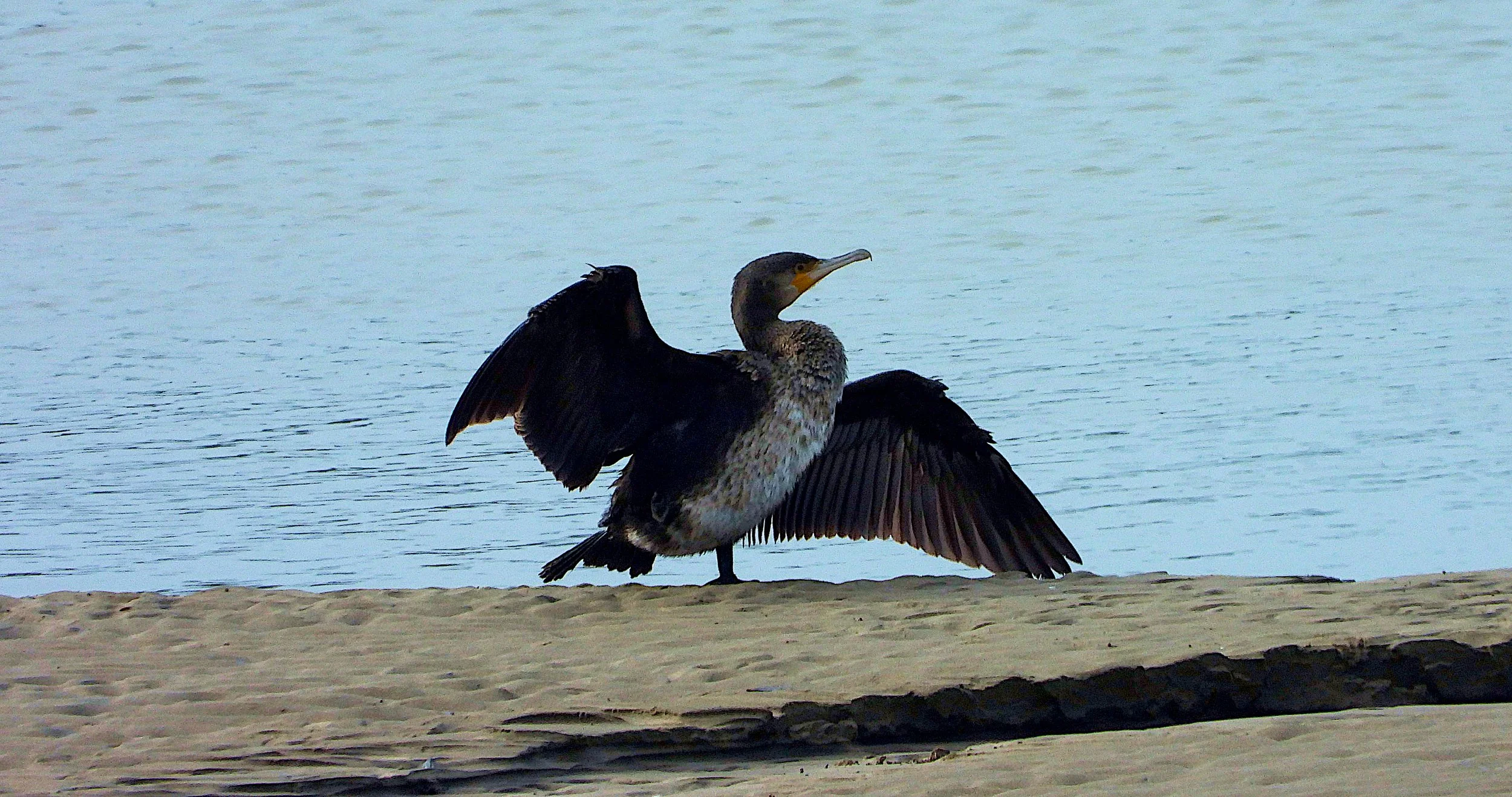
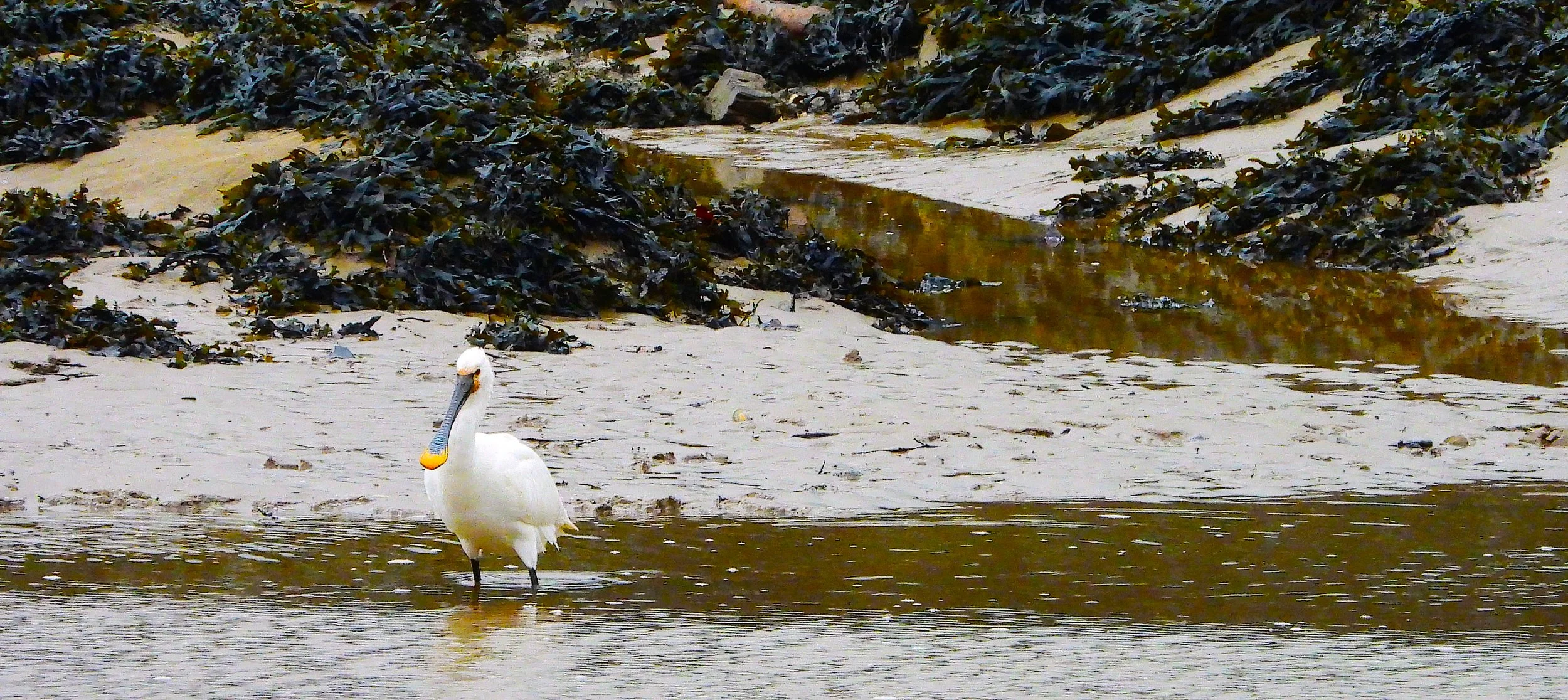
Bird and flower photographs in the centre with thanks to Isley Mars; Gaia Trust; and added photography by Paul Curtis and Victoria Carr (Ace Holds The Space)
The centre comes to life
Over the past year, the centre has been brought to life stage by stage. With support from the Landfill Communities Fund, the ground floor now holds three interactive touchscreens, set up and populated with themed content built from local photographs, archive material and recorded memories. A new welcome screen greets visitors at the entrance, and a new audio frame, with handsets and a hearing loop, lets people listen to stories in local voices. Fresh theme signage and newly decorated exterior complete this first stage, and the systems can be updated remotely, so the content keeps growing rather than standing still.
Much of the early work was in gathering and shaping the themes: drawing the Pottery, Maritime and Railway strands out of the community's own photographs and memories, and bringing each one together into its own display. It is Fremington's own voices, organised and preserved, telling Fremington Quay's story.
Beyond that, the ground floor is the beginning. The committee is working on what comes next, with plans to take the centre further and to bring the estuary and its wildlife into the story upstairs. The community will be invited to help shape it, and news will follow here first.
How the project has unfolded
November 2024: first conversations between the committee and Ace Holds The Space, with a shared vision of a more interactive centre that captures the beauty of the surroundings as well as the depth of the heritage.
2025: designs developed in stages, funding secured through the Landfill Communities Fund, and specialist heritage AV supplier BlackboxAV appointed.
Early 2026: installation completed by the end of March, with touchscreens, welcome screen, audio frame and signage all in place and the building freshly decorated.
Spring 2026: Foundational content brought alive theme by theme, with recording sessions, archive digitisation and new photography, and the first school parties and Tarka Trail visitors exploring the new displays.
Summer 2026: The content built out theme by theme. Recording sessions with local elders, archive photographs digitised, new photography across the seasons, and a content map drawn up so each theme could be followed all the way through. The displays keep growing rather than standing still.
What is coming next
The ground floor is the beginning. The committee and Ace are now looking upstairs, where the centre's Lookout room is being explored to hold two further themes: Wildlife and Geographic, celebrating the Taw estuary, the Tarka Trail and the nature all around. Alongside this, new designs are being explored to make the centre more interactive and hands-on, building on what the first stage has put in place.
The community will be invited to help shape this next part of the story. There is a lot to look forward to, and more news will follow.
Further content, including a film of Harry Juniper at work, made by resident filmmaker Jess Pearson, being edited now and will be shared within the centre.
Spotlight on Fremington, an interactive and educational future…
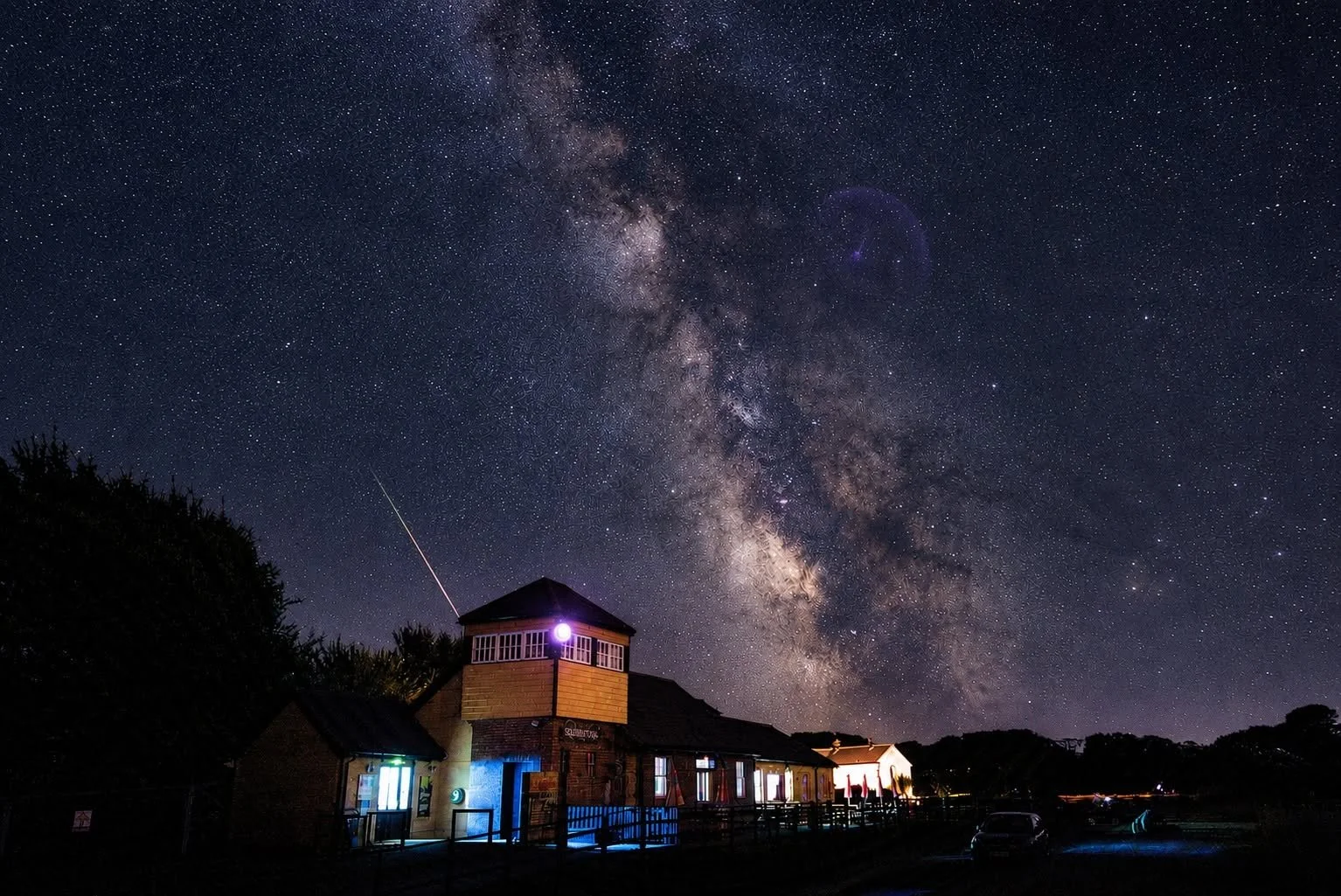
The Milky Way over the old station roof, and a shooting star coming in above it. our talented photographer at Ace, Paul Curtis, took this on the same evening of the eclipse 12 August 2026.
Very few places this close to Barnstaple stay dark enough to see that. The Quay is one of them. Once the cafe shuts and the Trail empties, there is almost nothing between here and the sky.
The same eye and vision is at work on what comes next. There is design work under way for something beyond screens and photographs, using light and sound to put you inside the Quay rather than in front of it. Steam that gathers and lifts. The estuary moving. Voices carrying the way they used to when there were ships alongside. The team behind it works in film, audio, lighting and heritage design, and they have been sitting with this place for over a year now, in all weathers and at all hours, working out what it wants to be.
Come and see what is here in daylight, when the cafe is on and the Trail is busy and the estuary is doing what it does, twice-a-day. There is a great deal in already.
Then keep an eye on this page.
Photograph by Paul Curtis (Ace), Fremington Quay Cafe and Heritage Centre, Milky Way and shooting star. August 2026.
Ace's proprietary Young Voices in Heritage™ methodology, developed by Ace Holds The Space Group Ltd and in use across North Devon. As the Fremington project grows, young people as well as local community will be at the heart of how the Quay's stories are gathered and shared, providing opportunities for cross-generational connection and meaningful sharing of local history.
Young Voices in Heritage™
Visit
The Heritage Centre is at Fremington Quay on the Tarka Trail, between Barnstaple and Instow, in the old station buildings alongside Fremington Quay Cafe. Arrive on foot, by bike or by wheelchair along the Trail, or by road with parking at the Quay. The ground floor displays are step free and the audio station carries a hearing loop.
Admission is free and open 7 days a week, all year round - during the hours of Fremington Quay Cafe opening (usually between 10am and 5pm)
Contact: mrendall7@gmail.com or contact assist@aceholdsthespace.com | 01271 593161 | 07832 511119
With thanks
The first stage of the centre's modernisation was made possible with the Landfill Communities Fund.
Thanks to BlackboxAV, who installed the new systems, to Barnstaple Museum for image permissions and to every contributor who has shared photographs, memories and time.
Fremington Parish Council, who own the building, and Fremington Quay Cafe
Project lead: Fremington Quay Environment Group (Heritage Centre).
Lead Delivery Partner: Ace Holds The Space Group, providing project management, design, content development, recording and media production.